A second-hand find can look charming in photos and still deserve careful review. Parents need more than a good price and a friendly seller. Baby gear safety checks create a practical pause before money changes hands. That pause can reveal missing parts, old standards, hidden damage, or recall concerns. It can also confirm that a used item is truly worth bringing home. Safety does not need to make shopping fearful. It should make shopping clearer. A confident parent knows what to inspect and when to walk away.
Price matters for family budgets, but safety has to lead. A tempting discount can distract from serious concerns. Parents should inspect first and negotiate second. The condition of straps, locks, wheels, screws, seams, and labels can reveal more than the listing description. A structured quality inspection routine keeps emotions out of the decision. If an item fails the review, the price becomes irrelevant. Walking away is not wasteful. It is protective.
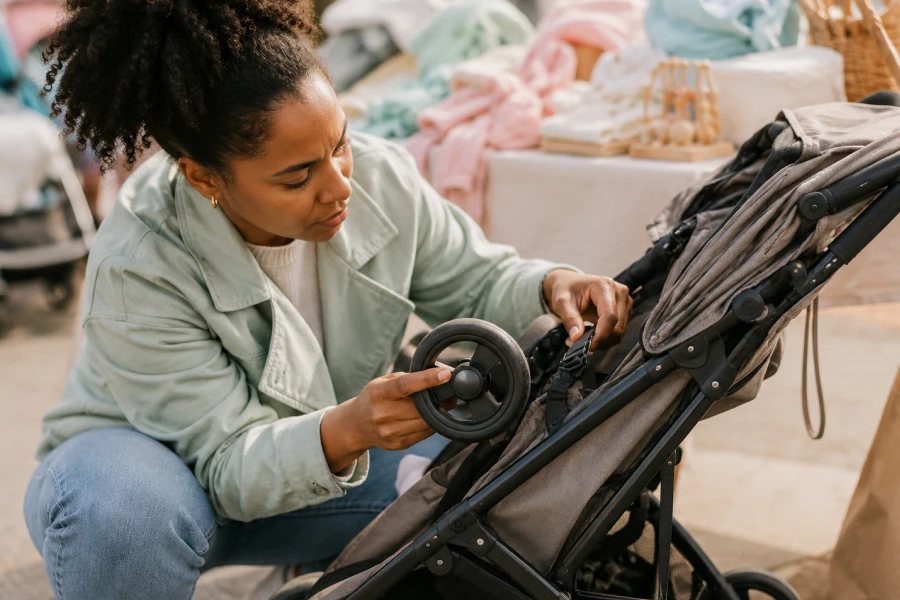
Strollers and carriers need hands-on testing. Fold and unfold the stroller. Lock the brakes. Push it across a surface. Check the wheels for wobbling. Inspect the frame for cracks. Examine harness straps and buckles. For carriers, check seams, clips, elastic, and fabric strength. Ask about the child’s weight and usage history. A careful used stroller inspection can reveal issues that photos hide. Parents should never feel rushed. Testing is part of responsible buying.
Labels tell a story. They can show model numbers, manufacture dates, warnings, and care instructions. Parents should photograph them before buying. Those details support recall searches and manual lookups. Missing labels make research harder. That does not automatically mean an item is unsafe, but it does increase uncertainty. Dates matter because standards change. Older gear may lack current safety features. A seller who provides clear label photos makes the process easier. Documentation helps parents turn visual inspection into informed judgment.
Recalls can affect items that still look perfectly fine. Parents should search model numbers and product names before finalizing purchases. This step is especially important for sleep items, strollers, carriers, high chairs, and furniture. If a recalled product has no verified repair, skip it. Do not rely only on the seller’s memory. They may not know. A careful recall habit protects the baby and the budget. It also prevents awkward surprises after bringing something home. Research may take minutes, but it can change the decision.
A clean item can still be worn out. Look beyond surface presentation. Faded fabric may be harmless. Frayed straps are different. Small scratches may not matter. Structural cracks do. Rust, loose screws, bent frames, and sticky locks deserve attention. Parents should check stress points where weight or motion happens. These areas reveal the truth of use. Good lighting helps. So does patience. An item should function smoothly, not just photograph well. Wear patterns help parents decide whether the deal is sound.
Nursery furniture needs stability. Press gently from different angles. Check for wobbling. Look underneath. Inspect screws, brackets, drawer stops, hinges, and sharp edges. Confirm that pieces have not been modified poorly. Avoid items with peeling paint if age or material is uncertain. Parents should support decisions with safety-critical items awareness. Some items deserve stricter caution than others. Furniture should feel sturdy, simple, and easy to clean. If repairs look questionable, pass.
Good questions save time. Ask whether all pieces are included. Ask if manuals are available. Ask about damage, storage, pets, smoke, and cleaning. Ask whether the item has been repaired. Ask for close-up photos before traveling. Specific questions often produce more useful answers than general ones. They also signal that the buyer is serious. Parents should trust discomfort when answers feel evasive. A polite no is acceptable. There will be other listings. Careful questions turn marketplace browsing into safer decision-making.
Confidence does not come from finding the cheapest item. It comes from understanding why a purchase is safe enough, useful enough, and clean enough. A parent who knows the inspection process can shop without constant second-guessing. That confidence reduces waste and regret. It also makes budgeting feel less risky. Used shopping becomes a skill rather than a gamble. The family saves money while maintaining standards. Every careful inspection teaches the next one. Over time, parents develop an eye that protects both baby and budget.




Leave a comment