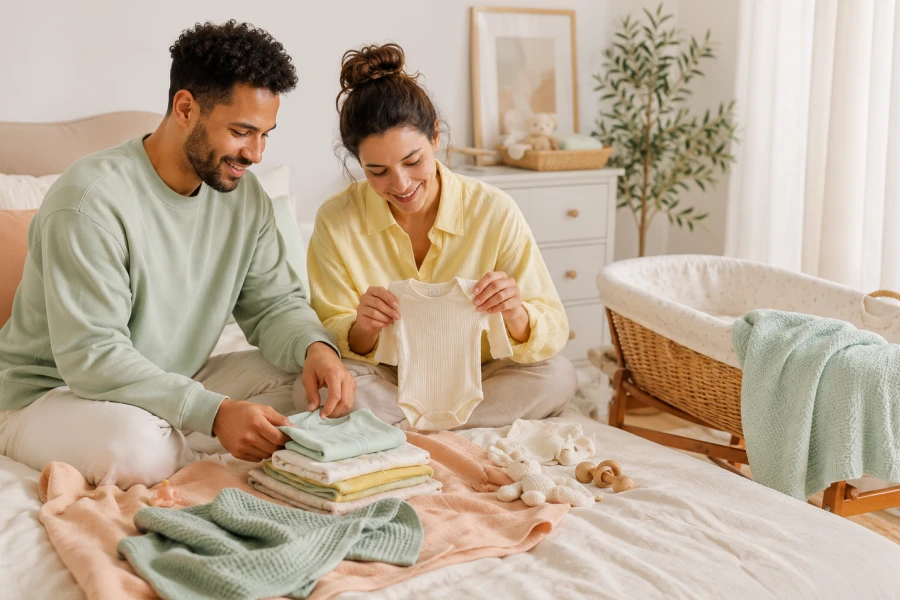
Baby expenses can make even careful families feel unprepared. The list grows quickly. A stroller appears beside bottles, clothes, diapers, storage, toys, and nursery pieces. Budget friendly baby shopping helps parents slow the rush and choose with more intention. The goal is not deprivation. It is clarity. Families can spend where safety and daily usefulness matter most. They can save where babies outgrow items quickly. With the right plan, preparing for a baby can feel thoughtful instead of financially overwhelming.
Many parents buy too much because uncertainty feels uncomfortable. More items can create the illusion of readiness. In practice, babies often need fewer things than lists suggest. Start with essentials. Add later as real needs appear. This prevents duplicate purchases and unused gear. A thoughtful second-hand baby gear tips approach helps families separate pressure from necessity. Less can feel surprisingly freeing. Parents gain space, money, and confidence when every item has a reason.
Category thinking makes spending easier. Some items should be prioritized new, especially when safety history matters. Other items work beautifully used. Clothing, books, simple toys, storage, and decor often offer easy savings. Consumables require ongoing budgeting. Big gear deserves research and patience. Parents can divide the list before shopping. This reduces emotional decisions. It also helps relatives understand gift needs. A category plan keeps the budget flexible. Families stop treating every purchase as equally urgent.
A useful budget includes more than big purchases. Diapers, wipes, laundry, feeding supplies, medical items, and small replacements add up. Parents should estimate recurring costs early. They should also leave room for surprises. Not every baby likes the same bottle, swaddle, or pacifier. A flexible budget prevents guilt when preferences change. Track purchases in one place. Notice patterns. Adjust before stress grows. The best budget supports family calm. It should guide decisions without making every choice feel heavy.
Used finds can stretch a budget when parents stay selective. Condition matters. Cleanability matters. Safety history matters. A low price should still pass the family’s standards. Parents can search local groups, thrift stores, parent swaps, and trusted marketplaces. The strongest deals are useful, safe, and easy to bring home. A eco-conscious baby shopping mindset adds another benefit. Families reduce waste while saving money. The purchase feels better when value and responsibility meet.
Saving money also means knowing when not to buy used. Some items carry risks when their history is unknown. Parents should research car seats, cribs, mattresses, sleep products, and anything involving restraint or structural safety. New can be the budget-friendly choice when it prevents replacement, worry, or danger. This does not undermine used shopping. It strengthens it. The family spends confidently where it matters. Then it saves elsewhere. Smart budgeting is not always about the lowest price. It is about the wisest total decision.
Timing can influence price. Families who shop early can wait for better listings. Last-minute shoppers often pay more. Seasonal cleanouts, moving sales, neighborhood swaps, and parent group posts can create strong opportunities. Save searches. Compare prices. Watch how quickly similar items sell. Be polite and ready when the right item appears. Parents can use budget baby planning to avoid rushed decisions. Patience often beats urgency. The budget benefits from time as much as effort.
Family and friends often want to help. Clear requests make that help more useful. Share practical needs instead of vague preferences. Ask for diapers, wipes, books, clothing sizes, meal support, or specific nursery items. Mention what you already have. This prevents duplicates. It also reduces clutter. Parents can create a simple needs list without turning it into a performance. Grateful honesty works well. Loved ones usually prefer giving something truly helpful. A thoughtful gift strategy can protect the budget without awkwardness.
The habits parents build during baby preparation can last for years. They learn to pause before buying. They learn to research. They learn to accept help. They learn to choose quality where it matters and simplicity where it works. These habits reduce stress beyond the nursery stage. Children keep growing. Costs keep changing. A thoughtful approach gives families more breathing room. It also models resourcefulness from the beginning. Love does not require overspending. It shows up through care, attention, and wise choices.




Leave a comment